

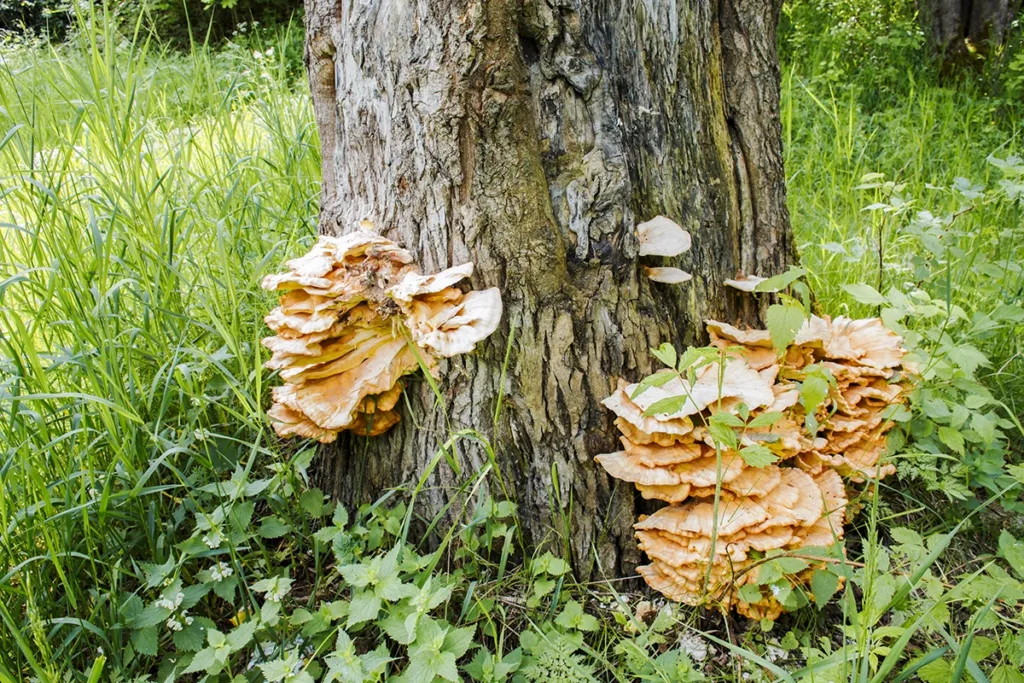
Tree fungal infections occur when parasitic fungi invade a tree’s roots, trunk, branches, or leaves. Fungi are most often spread to trees through airborne spores, rain, wounds, insects and animals, soil or root contaminants, or unsanitized tools. As the fungus grows, it can interfere with a tree’s ability to absorb nutrients, transport water, or maintain healthy growth.
Some fungal infections can cause minor damage, while others can lead to significant decline or even tree death if left untreated. Understanding the types of tree fungus commonly found in Sonoma County can help you spot warning signs early and seek timely intervention before the tree is beyond saving.
In this guide, we explore the most common tree fungi in Sonoma County, how to identify them, and strategies for treating them before the damage spreads.
Table of Contents:
- Canker Diseases
- Sudden Oak Death
- Anthracnose
- Powdery Mildew
- Sooty Mold
- Wood Decay Fungi
- Mediterranean Oak Borer Fungi
Common Types of Tree Fungi Found in Sonoma County
Sonoma County is loved for its breathtaking coastline, warm inland valleys, and having one of the most diverse mix of trees in the country. But as beautiful as our landscapes are, these conditions also create an ideal environment for fungi that can compromise the health of your trees. Left unchecked, fungal infections can cause severe structural damage that makes an otherwise healthy tree a serious safety risk.
Below are the most common types of tree fungi found in Sonoma County and the key signs to look for to help identify each one:
Canker Diseases
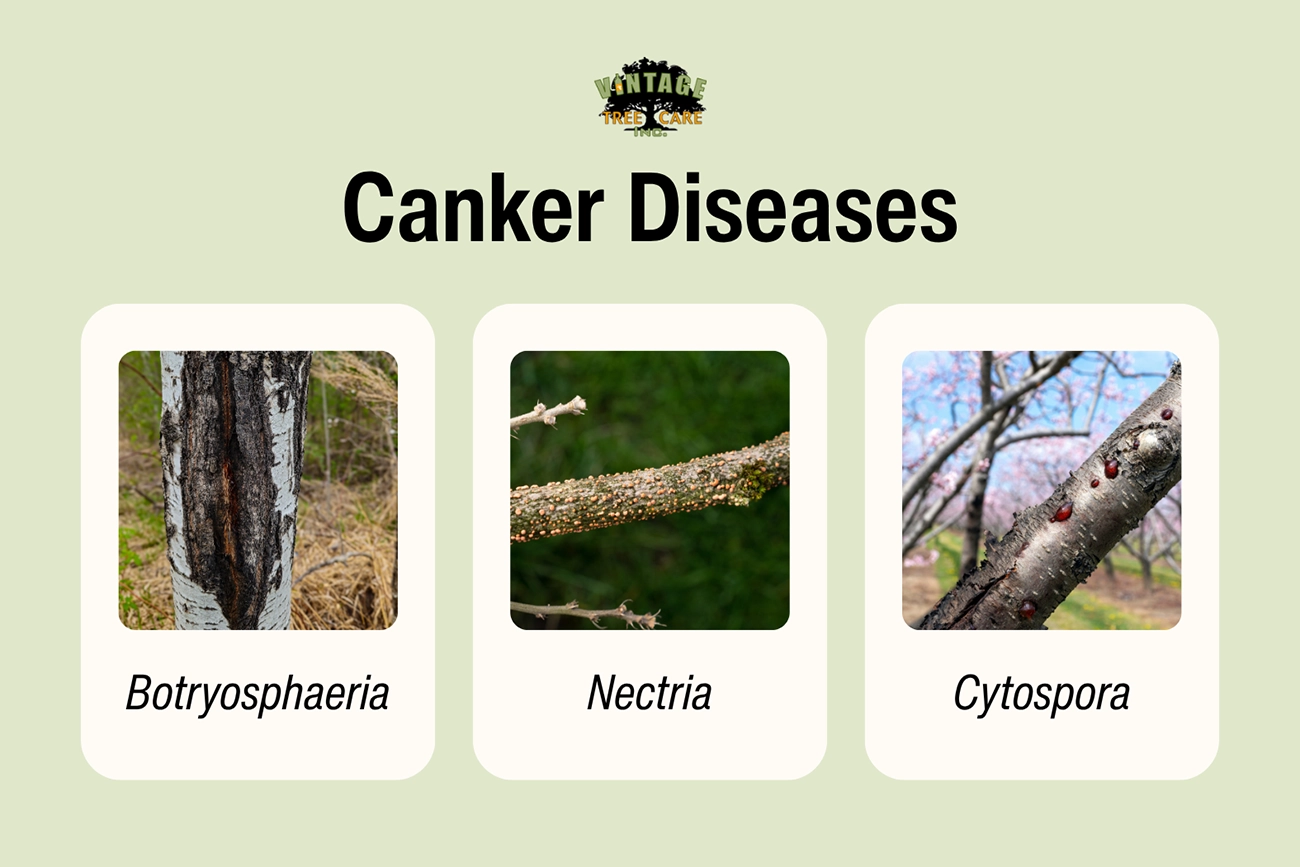
A canker disease is a type of tree fungus that causes open sores or “blisters” in the bark. It commonly affects oaks, fruit trees, evergreens, and ornamental shade trees like willows, maples, poplars, and more. In Sonoma County, some common fungal infections that cause tree cankers include Botryosphaeria, Nectria, and Cytospora.
Left unchecked, canker fungi can destroy the living tissues beneath the bark, blocking the flow of water and nutrients. If the disease wraps completely around the trunk, it can starve and even kill the entire tree.
How to Identify Tree Canker Disease:
- Open sores or lesions
- Sap bleeding
- Sunken, cracked, or flattened bark
- Target-like bark rings or raised ridges (Nectria)
- Orange or reddish spots (Nectria)
- Dark, pimple-like bumps on branches
- Wilting or dying leaves on single branches
- Branch tip dieback and canopy thinning
If you notice any signs of canker disease, the certified arborists at Vintage Tree Care can treat your trees to prevent it from spreading and causing irreversible damage.
Sudden Oak Death (Phytophthora ramorum)
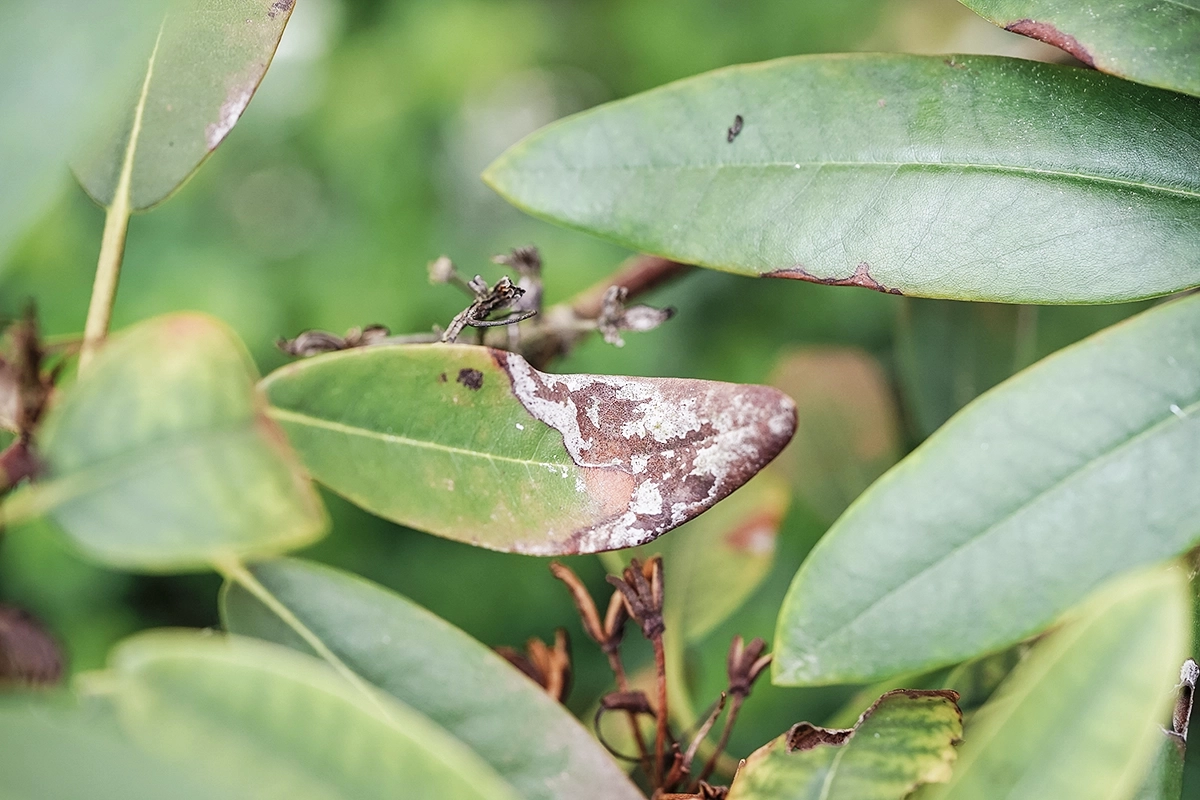
Sudden oak death (SOD) is a highly invasive disease that affects many plants throughout Sonoma County. In fact, according to the U.S. Forest Service, Sonoma County has more instances of sudden oak death than any other place in California.1
Although it causes cankers, SOD is not a true fungal canker disease. It is caused by Phytophthora ramorum, a type of organism called an oomycete (water mold) that is closely related to algae. However, it behaves much like a fungal infection in how it grows, spreads, and prefers moist environments.
How to Identify Sudden Oak Death:
- Large cankers bleeding dark sap
- Sudden leaf browning
- Sunken, discolored bark
- Spotted or blackened leaves on nearby trees
- Rapid decline of an otherwise healthy tree
Can Sudden Oak Death Be Cured?
Unfortunately, there is no known cure for sudden oak death. Once a tree is infected, it may not recover. If you notice any signs of SOD, it’s best to call Vintage Tree Care so we can remove the tree properly before it becomes a safety risk.
Anthracnose
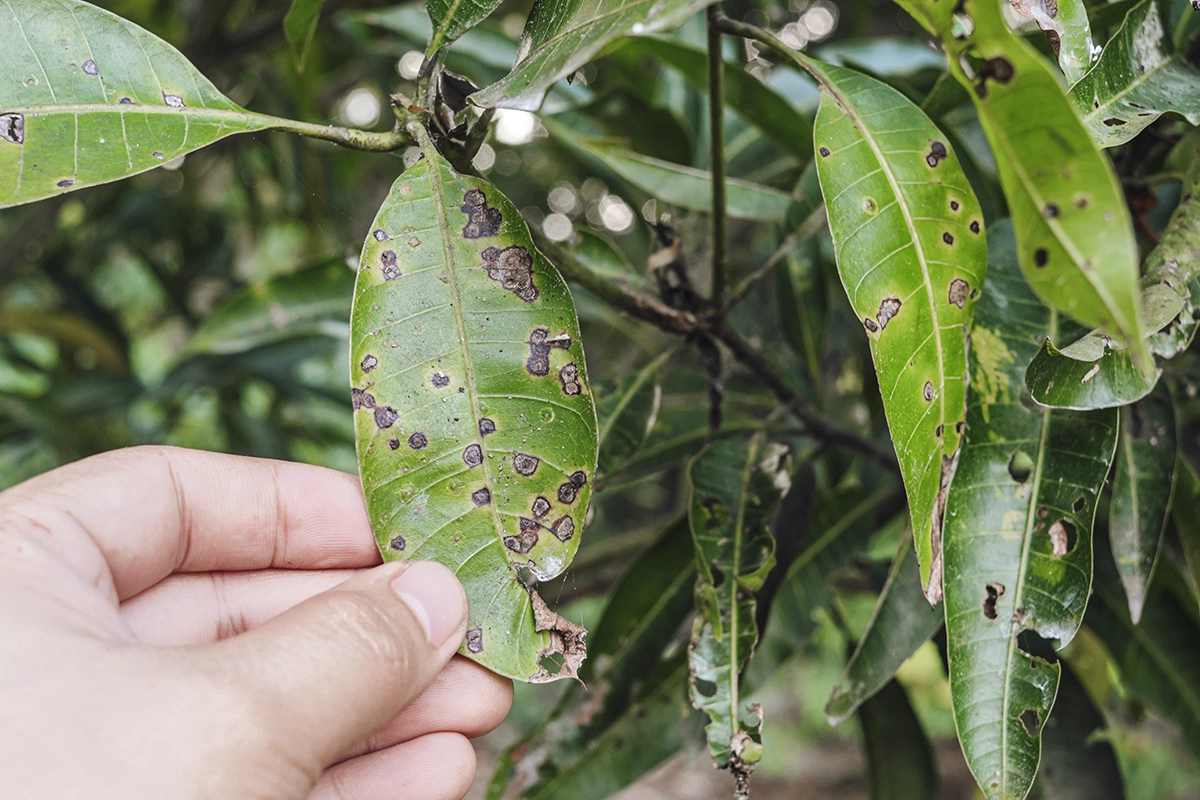
Anthracnose is a group of fungal diseases that attacks the leaves and young shoots of many hardwood trees in Sonoma County. They are host-specific, meaning one type of anthracnose only affects one tree. Some common examples include sycamores, oaks, maples, and more. Anthracnose spreads fastest during warm, wet spring weather when there is more rain splash and wind.
How to Identify Anthracnose:
- Tan, brown, or black spots on leaves
- Irregular dead patches along leaf veins
- Early leaf drop
- Curled or distorted new leaves
- Dead twigs and shoot tips
If you notice any signs of anthracnose, the team at Vintage Tree Care can strategically prune and treat the tree to encourage a new set of leaves to grow back healthy and infection-free.
Powdery Mildew (Odium)
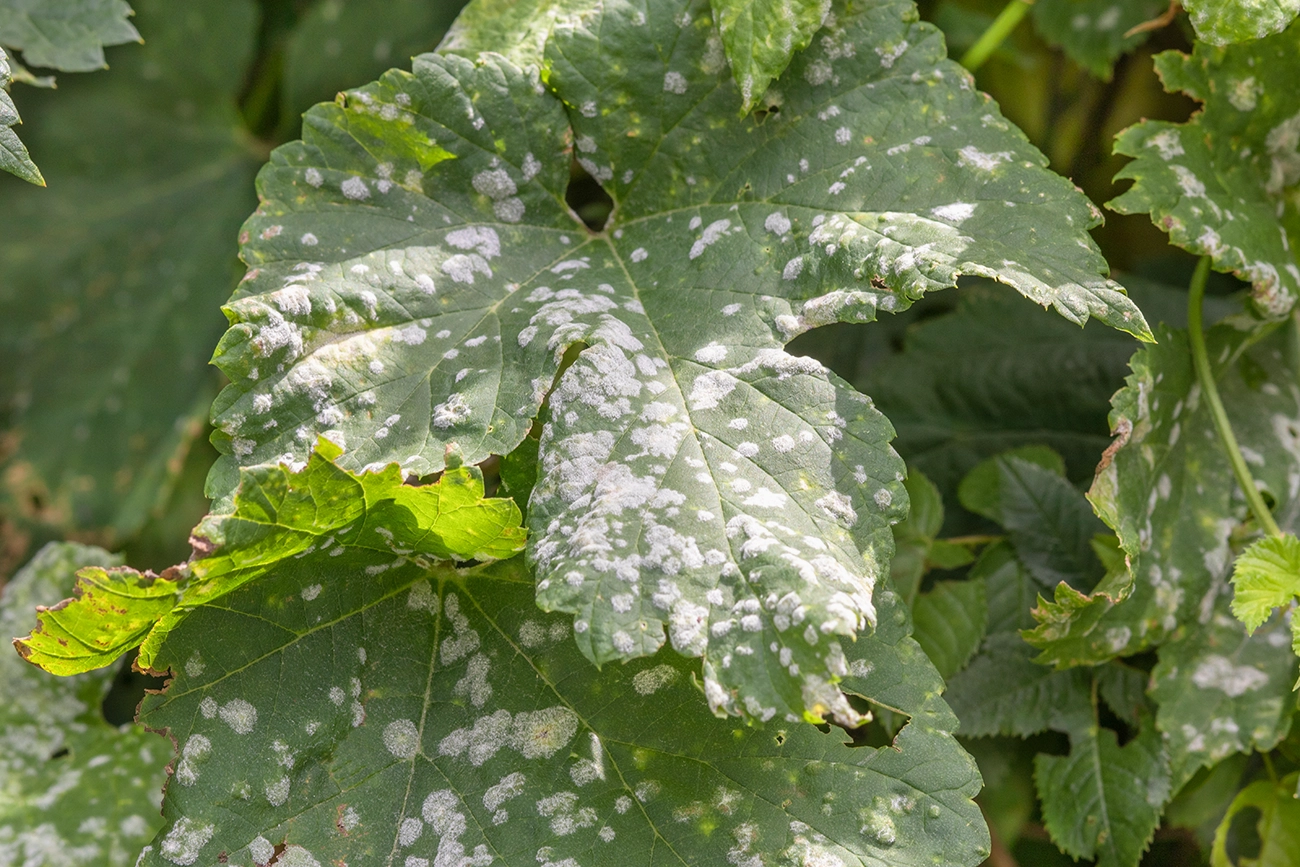
Powdery mildew (Odium) is a fungal disease that affects many Sonoma County trees, including oaks, crape myrtles, sycamores, and fruit trees. While it’s not always fatal on its own, it makes it harder for leaves to photosynthesize and distorts new growth.
How to Identify Powdery Mildew:
- White or gray powdery spots on leaves
- Curling foliage
- Yellow or browning leaves
- Premature leaf drop
- Deformed buds
- Web-like scarring on fruit
In Sonoma County, powdery mildew thrives in dry, shaded areas with high humidity, so it’s common in summer shade. Vintage Tree Care can selectively prune infected trees to open the canopy to more sunlight and airflow, minimizing fungal growth.
Sooty Mold (Capnodium)
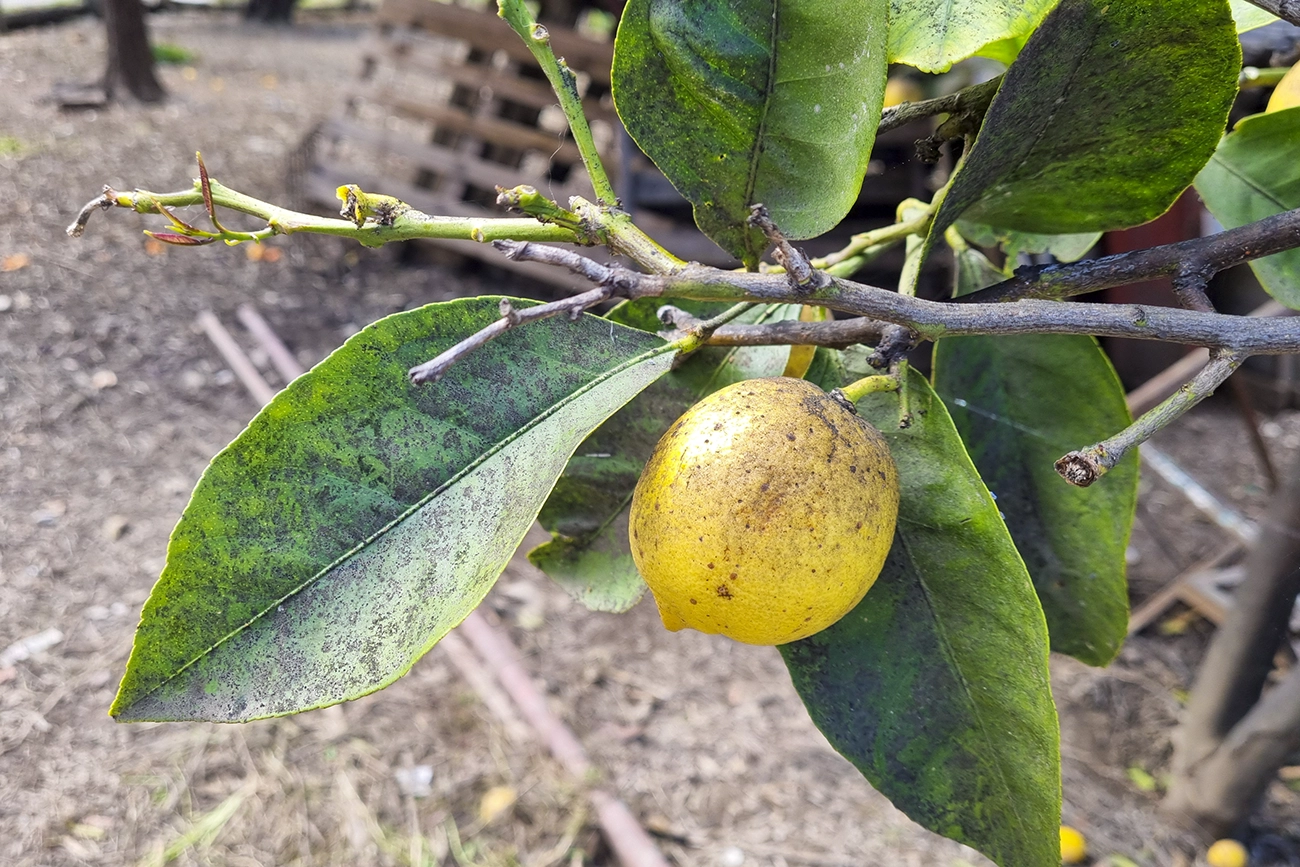
Sooty mold (Capnodium) is a fungus that grows on the “honeydew” substance left behind by sap-eating insects like aphids, scale, and whiteflies. A heavy layer can block sunlight and prevent leaves from properly absorbing nutrients.
How to Identify Sooty Mold:
- Dark, soot-like black powder coating
- Insect “honeydew” (clear, sap-like substance) on leaves
- Active insect infestation
- Yellow or dropping leaves
Our team at Vintage Tree Care is happy to recommend strategies to address the infestation causing sooty mold and restore the health of your tree.
Wood Decay Fungi
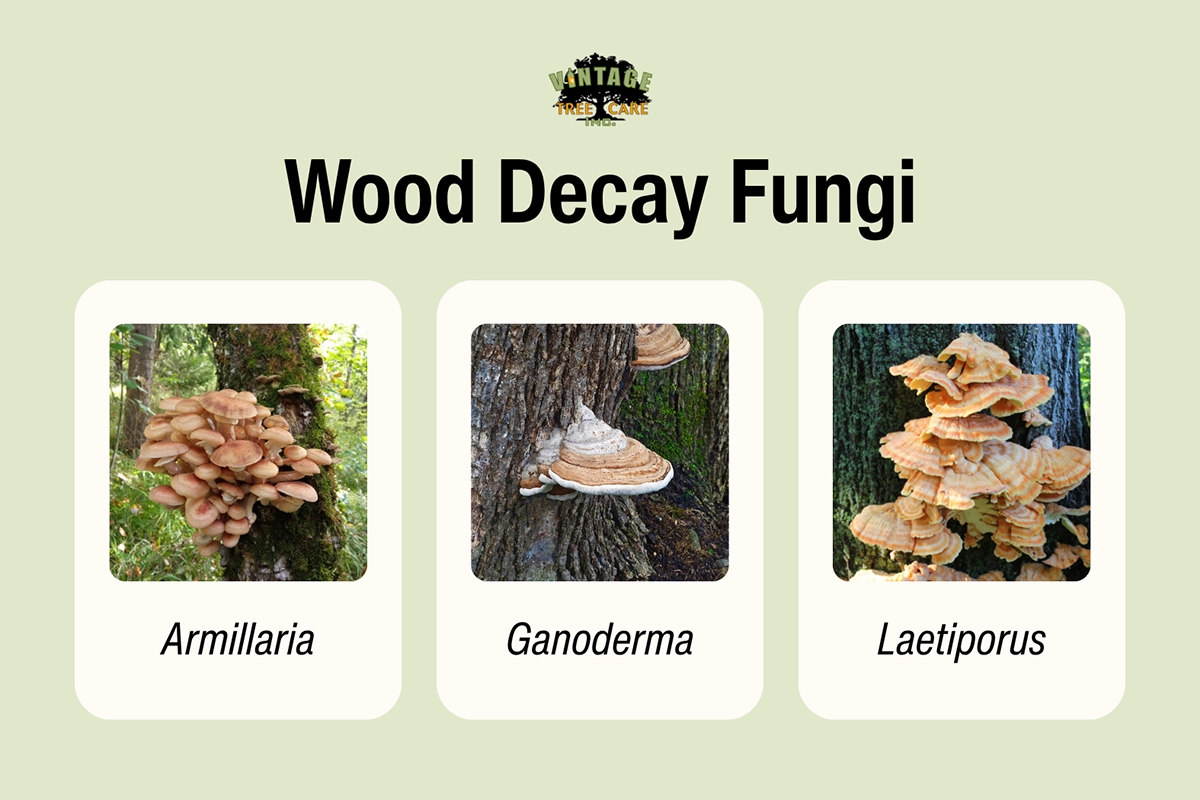
Wood decay is a group of fungi that causes a tree to rot, soften, and grow spongey or hollow over time. These fungi commonly affect Sonoma County trees like oaks, Douglas firs, California bay laurels, and old fruit or shade trees with existing wounds or root stress.
How to Identify Wood Decay Fungi:
- Oak Root Fungus (Armillaria): Clusters of honey-colored mushrooms near the roots, felt-like sheets beneath peeling bark, and black string-like structures in the surrounding soil.
- Artist’s Conk (Ganoderma): Hard, shelf-like fungi with red-brown coloring and a pale underside, growing on the base of the tree.
- Chicken of the Woods (Laetiporus): Bright orange and yellow clusters of shelf fungi growing on the trunk or limbs.
These infections severely compromise tree structure and can even lead to failure over time, but catching decay early gives your tree the best chance. The certified arborists at Vintage Tree Care can assess how far the rot has spread and recommend the right care before it becomes a hazard.
Mediterranean Oak Borer Fungi
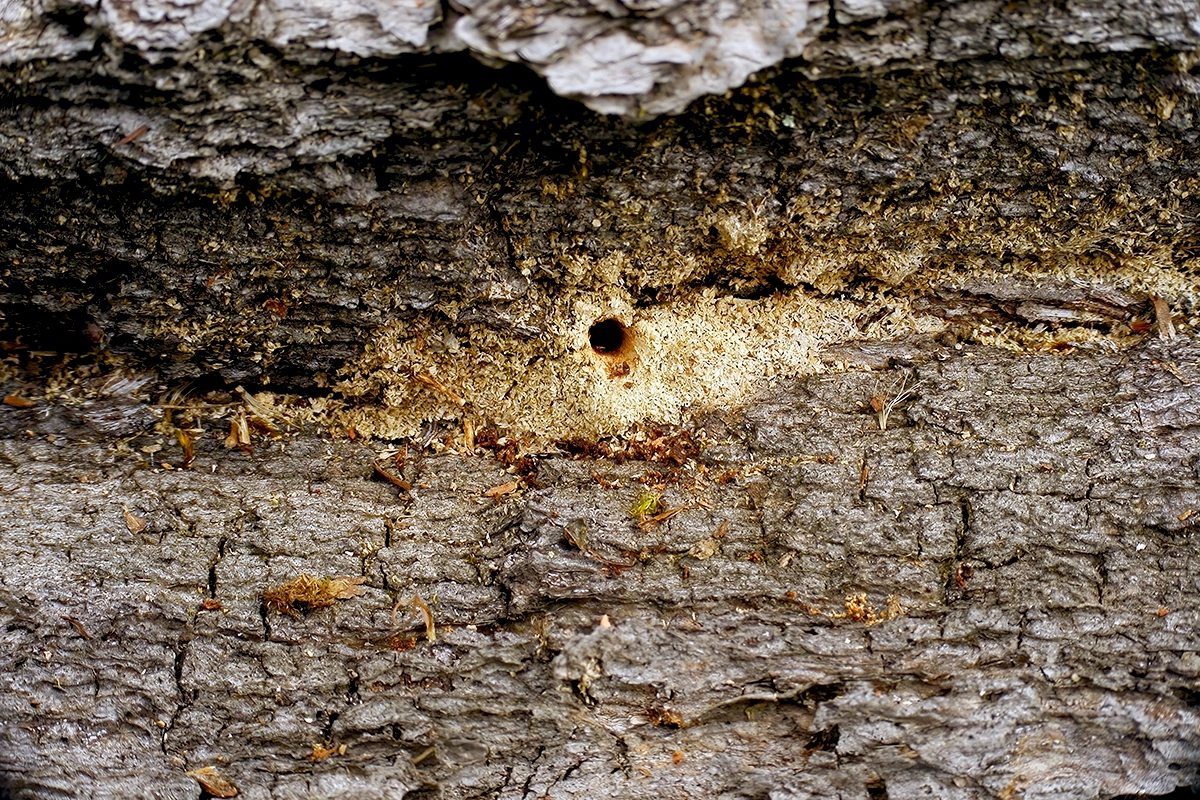
The Mediterranean Oak Borer (MOB) is an invasive beetle that can introduce fungal infections directly inside a tree. They create complex tunnels and introduce symbiotic spores that grow in “gardens” to feed the colony (Raffaelea montetyi). In Sonoma County, these beetles commonly attack oaks, especially those under drought stress.
How to Identify Mediterranean Oak Borer Fungus:
- Tiny pinholes in the bark
- Sawdust
- Brown or rust-colored beetles
- Dark, discolored fungal stains
- Leaves suddenly wilt, yellow, or drop
- Brittle or dead limbs
This fungal infection can cause serious damage to the systems that direct water and nutrients through the tree, potentially choking off its supply of both. It requires immediate attention from an arborist to prevent severe long-term damage and restore the tree’s health.
If you notice any signs of Mediterranean Oak Borers, be sure to call Vintage Tree Care to treat the infestation right away.
How Do You Get Rid of Tree Fungus?

Getting rid of fungal disease on trees requires a combination of an accurate diagnosis, targeted treatments, and ongoing care with the guidance of a certified arborist. They have the expertise to identify the exact fungus and build a treatment plan to manage the spread and support the tree’s recovery.
Below are the main strategies arborists use to get rid of fungal disease on trees:
- Selective Pruning: Arborists strategically cut infected branches, cankers, and leaf clusters to remove the source of the infection. Pruning also opens up the canopy for better airflow and sunlight, reducing fungal growth.
- Fungicide: Arborists can apply fungicides to prevent the infection from spreading, using products that are considerate of surrounding plants and the environment.
- Insect Control: Pests like aphids, borers, and scale can spread or feed fungal infections. Arborists can treat these infestations at the source so the fungus has nothing to feed on.
- Soil and Root Care: Many fungal infections start in the soil. Arborists can improve drainage, loosen compacted ground, and recommend watering adjustments to keep the roots healthy. Sometimes exposing the root collar helps dry out fungal infections affecting the roots.
If you believe your trees may be showing signs of a fungal infection, contact the certified arborists at Vintage Tree Care in Sonoma County. We can identify the exact type of fungus you’re dealing with and recommend a treatment plan to bring your tree back to good health.
Can a Tree Recover from Fungus?

Yes, with proper ongoing care and the help of an experienced professional, many trees can recover from fungal infections and thrive for years to come. However, the likelihood of recovery depends on several factors, including the type of fungus, how far the infection has progressed, the tree species, and the tree’s overall health.
Some fungal diseases cause relatively minor damage that a healthy tree can overcome with proper pruning, improved drainage, or other targeted treatments. More aggressive pathogens that cause extensive damage to the roots, trunk, or vascular system may be difficult or impossible to reverse.
Early identification and treatment can improve a tree’s chances of recovery. An arborist will always prioritize doing what they can to save the tree and avoid removal whenever possible. However, in a worst-case scenario where the tree is beyond saving due to severe structural damage, tree removal is often the safest option.
If you’re concerned about a fungal infection in your tree, contact Vintage Tree Care in Sonoma County to schedule a Tree Risk Assessment (TRA). Our certified arborists can evaluate the extent of the damage, assess potential safety risks, and recommend the best course of action.
Manage Fungus with Professional Tree Care
Sonoma County is home to many different species of tree fungus that can cause serious long-term damage without proper treatment. At Vintage Tree Care, we have years of experience helping homes and businesses protect their trees from fungal infections.
If you suspect your tree is infected with fungus, don’t wait. Schedule professional tree care services now by contacting us online or calling (707) 495-4686.
References
- Wininger, K. E. (2020). Spread the word, not the disease! Sudden oak death outreach and the UC Master Gardener Program of Sonoma County SOD Specialists. In S. J. Frankel & J. M. Alexander (Tech. Coords.), Proceedings of the seventh sudden oak death science and management symposium: Healthy plants in a world with Phytophthora (Gen. Tech. Rep. PSW-GTR-268, pp. 118–119). U.S. Department of Agriculture, Forest Service, Pacific Southwest Research Station. https://research.fs.usda.gov/treesearch/60527