


When a storm passes through, it leaves behind more than puddles and debris in its wake. Heavy rain, wind, or lightning can all have devastating effects on trees, resulting in broken branches, stripped bark, and long-term damage. This can leave you wondering whether the tree is salvageable or if it poses a risk to your home and property.
What you do right after a storm makes all the difference in giving a damaged tree the chance to recover. In this blog, we explore the effects storms can have on trees, outline the right steps to take after damage occurs, and explain how a certified arborist can help.
Jump ahead:
How Storms Cause Damage to Trees
Storms can have a lasting impact on trees, causing both immediate and long-term damage. While some harm is obvious, other issues may not manifest until days, weeks, or even years later.
Below are some of the most common types of storm damage homeowners should watch for, and why they matter for the ongoing health of your tree:
- Broken and hanging branches: These can fall at any time and pose a serious hazard to people, pets, and property.
- Cracked trunks: Even if the tree looks stable on the outside, splinters or cracks can cause serious structural damage.
- Uprooted or leaning trees: Roots can be pulled loose during a storm, making the tree unstable or causing it to lean over.
- Stripped bark: Open wounds provide entry points for pests and diseases.
- Hidden root damage: Flooding and high winds can weaken the root system below ground, even if you can’t see it. This can cause leaning or premature leaf drop.
Even if a tree appears to have survived intact, storm stress can cause damage to unfold over time. That’s why professional evaluation with a certified arborist is so important for preserving the health of your trees.
How to Save a Storm-Damaged Tree

The hours and days following a storm can mean the difference between saving a tree and losing it. Knowing what to do and acting quickly not only improves your tree’s chances of recovery but also addresses critical safety hazards on your property.
Below is a step-by-step overview of how to give a storm-damaged tree the best possible chance to survive.
Assess the Damage
The first thing you should do following a storm is assess the tree’s damage from a distance. Downed power lines, hanging branches, or an unstable trunk can be extremely dangerous, so make sure to keep a safe distance between you and the tree until a professional has evaluated the risk.
If you see any electrical hazards, contact the authorities right away. Trees can conduct electricity, so it’s safe to assume all downed wires are dangerous. Make sure to keep children and pets away from the area as well.
Call a Certified Arborist
After verifying that there are no immediate hazards, it’s important to call a certified arborist as soon as possible. They will have the training, equipment, and expertise to handle dangerous situations and give you clear guidance on whether your tree can be saved.
An arborist can help address a storm-damaged tree by:
- Conducting a tree risk assessment (TRA) to gain a full understanding of the damage and determine whether the tree is safe to keep
- Pruning and removing dead or broken limbs to reduce risk and restore balance
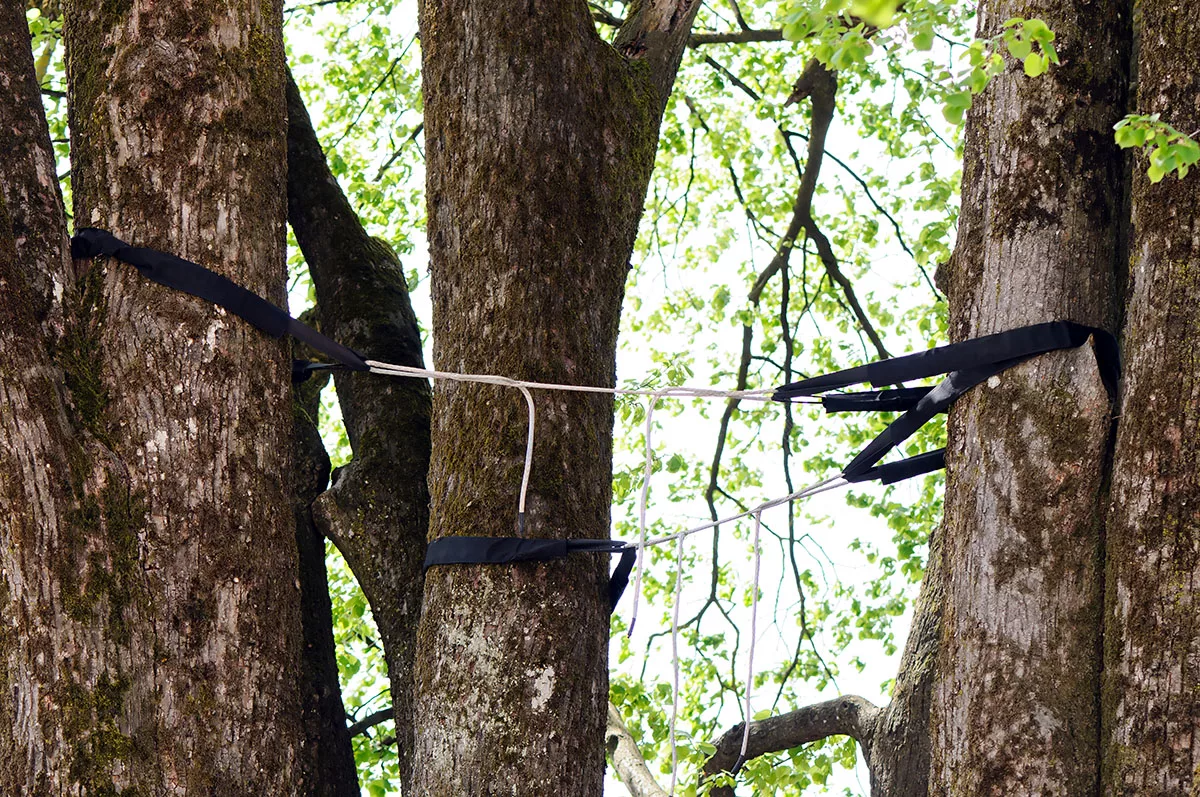
- Stabilizing leaning trees with cabling and bracing to promote healing
- Treating bark wounds to prevent decay and pests
- Creating a recovery plan to help your tree regain strength over time
With the right care and expertise, many trees are able to recover and thrive for decades to come. Partnering with a certified arborist ensures your tree has the best possible chance of survival without posing a risk to your home and family, giving you peace of mind.
When Tree Removal is Required
Despite our best efforts, not every tree can be saved after facing storm damage. While preservation is always a priority, sometimes tree removal is the best course of action for protecting your home and family from hazards.
If your arborist has determined the tree cannot be saved, their team will carefully remove it from your property. This is a highly technical and dangerous process that can only be completed by qualified professionals with past experience.
After, they can also walk you through the replacement process, so you don’t lose out on the aesthetic and environmental benefits trees offer for your property.
How to Protect Trees from Future Storm Damage
No one can control the weather, but you can take steps to minimize the risk of future storms. Preventative tree care is the best way to keep your landscape safer and beautiful throughout every season. This is especially important for trees that have already experienced storm damage, since they will be more vulnerable to future stress.
Below are some proactive strategies for protecting trees from storms.
Schedule Regular Tree Maintenance
Scheduling routine health check-ups and maintenance is one of the best ways to extend your tree’s longevity. A certified arborist can catch small issues before they turn into serious risks, such as weak branches, structural imbalances, or early signs of disease. This gives you the chance to address them and improve the tree’s resilience before a storm hits.
Strategic Tree Trimming and Pruning
Strategic pruning helps wind pass through the canopy, instead of pushing against it like a sail. It also allows it to pass around the canopy with less leverage. This reduces the chances of branches snapping or the whole tree uprooting. Additionally, it improves weight distribution and removes weak or hazardous limbs.
This not only keeps the tree more stable during a storm, but also promotes healthier, more balanced growth year-round.
Pest and Disease Control
Trees already weakened by pests or disease are far more likely to suffer severe storm damage. Preventative strategies, proper watering, and soil care all help strengthen a tree’s natural defenses. A certified arborist can help you spot early signs of infestation or decay and recommend targeted treatments, boosting the tree’s overall stability and resilience.
Tree Cabling and Bracing
In addition to helping a tree recover from storm damage, cabling and bracing also help prevent it from happening in the first place. This strategy involves installing high-strength steel cables and rigid rods between major limbs to provide extra support for weak branches. These reinforcements stabilize the tree’s structure and reduce the risk of breakage under high winds.
Protect the Root Zone
The root system is one of the most important parts of a tree. It not only anchors it in place, but also plays a key role in water and nutrient transport. Keeping the roots healthy is essential for helping a tree survive a storm with minimal damage.
Here are some tips for keeping your tree’s roots strong and healthy:
- Avoid compacting the soil around your trees
- Use mulch properly to lock in moisture and protect against erosion
- Water deeply during dry spells to encourage strong, deep root growth
- Fence off the root zone during landscaping or construction to avoid damage
By giving the root system the right care and protection, you can strengthen your tree’s foundation and improve its ability to withstand storms for years to come.
Protect Your Trees from Storm Damage with Vintage Tree Care
Dealing with storm-damaged trees can feel overwhelming, but with the right strategies and professionals by your side, it doesn’t have to. Acting quickly after a storm, relying on a certified arborist for expert care, and taking the right preventative steps can help your trees stay strong and resilient in the face of storms.
At Vintage Tree Care, we have years of experience helping Sonoma County homeowners protect their trees from storms with expert tree care services. Whether you need to address existing damage or want to prepare for the next storm season, our certified arborists are here to help your trees stand strong.
Contact us online today or call (707) 495-4686 to get in touch with our team.